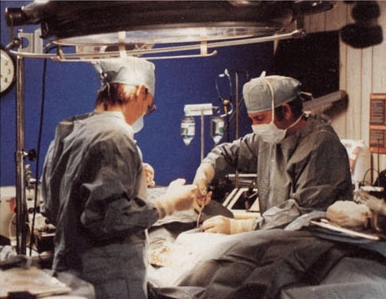
engaged in or ready for military or naval operations
chemical agent capable of activity
(used of verbs (e.g. `to run') and participial adjectives (e.g. `running' in `running water')) expressing action rather than a state of being
taking part in an activity
in operation
the voice used to indicate that the grammatical subject of the verb is performing the action or causing the happening denoted by the verb
a person who is a participating member of an organization
characterized by energetic activity
disposed to take action or effectuate change
engaged in full-time work
exerting influence or producing a change or effect
expressing that the subject of the sentence has the semantic function of actor:
full of activity or engaged in continuous activity
(of e.g. volcanos) capable of erupting
(of e.g. volcanos) erupting or liable to erupt
(of the sun) characterized by an increased occurrence of sunspots and flares and radio emissions
tending to become more severe or wider in scope
devoid of physical sensation; numb
(followed by `to') not showing human feeling or sensitivity; unresponsive
very tired
drained of electric charge; discharged
not circulating or flowing
quickly and without warning
completely and without qualification; used informally as intensifiers
not yielding a return
a time when coldness (or some other quality associated with death) is intense
devoid of activity
lacking acoustic resonance
lacking resilience or bounce
no longer having force or relevance
no longer having or seeming to have or expecting to have life
not showing characteristics of life especially the capacity to sustain life; no longer exerting force or having energy or heat
not surviving in active use
out of use or operation because of a fault or breakdown
people who are no longer living
physically inactive
the complete stoppage of an action
unerringly accurate